Our History
Exploring the rich heritage and milestones of James Hargest College
Not Enough Schools
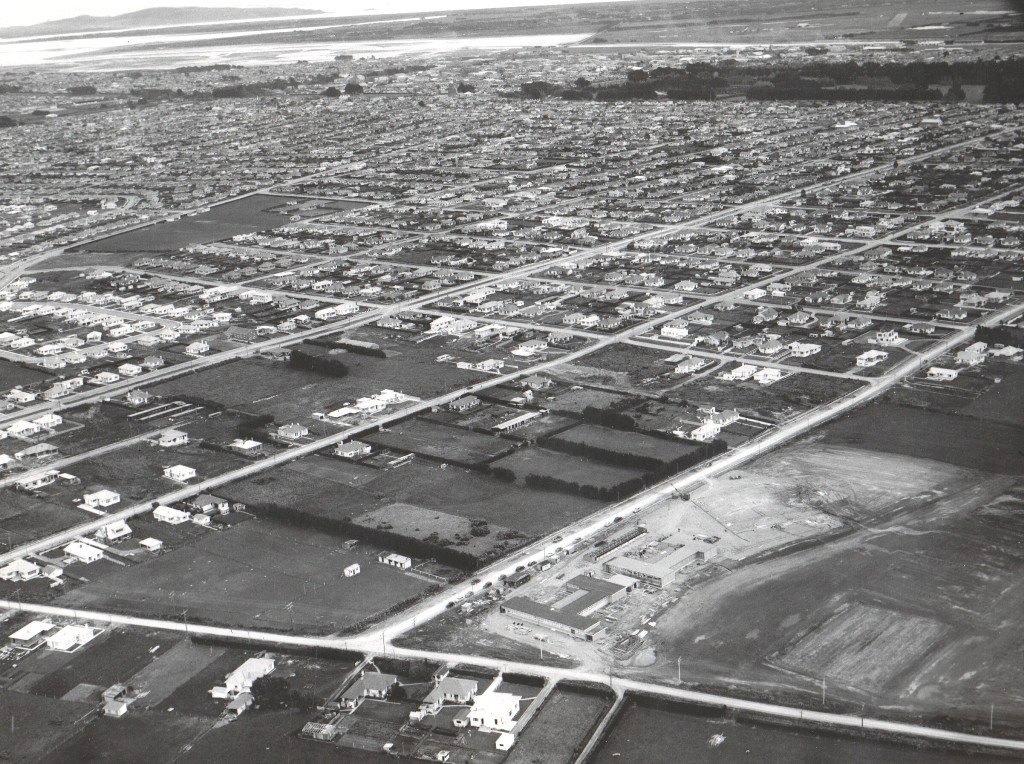
City schools in Invercargill faced overcrowding. City secondary schools can handle problem of accomodation till 1959. JHC aerial view of early construction.
Initial Planning
In September 1954, the Minister of Education, Mr. Algie, announced plans to erect a new multilateral co-educational secondary school on a 22-acre site at the corner of Layard Street and Racecourse Road in Invercargill.
School Name
The idea to name the institution after Brigadier James Hargest (CBE, DSO, MC, MP, and Southland war hero) was conceived during an Invercargill Rotary function by Colonel Douglas Leckie and Douglas McDonald.
School Logo Origin
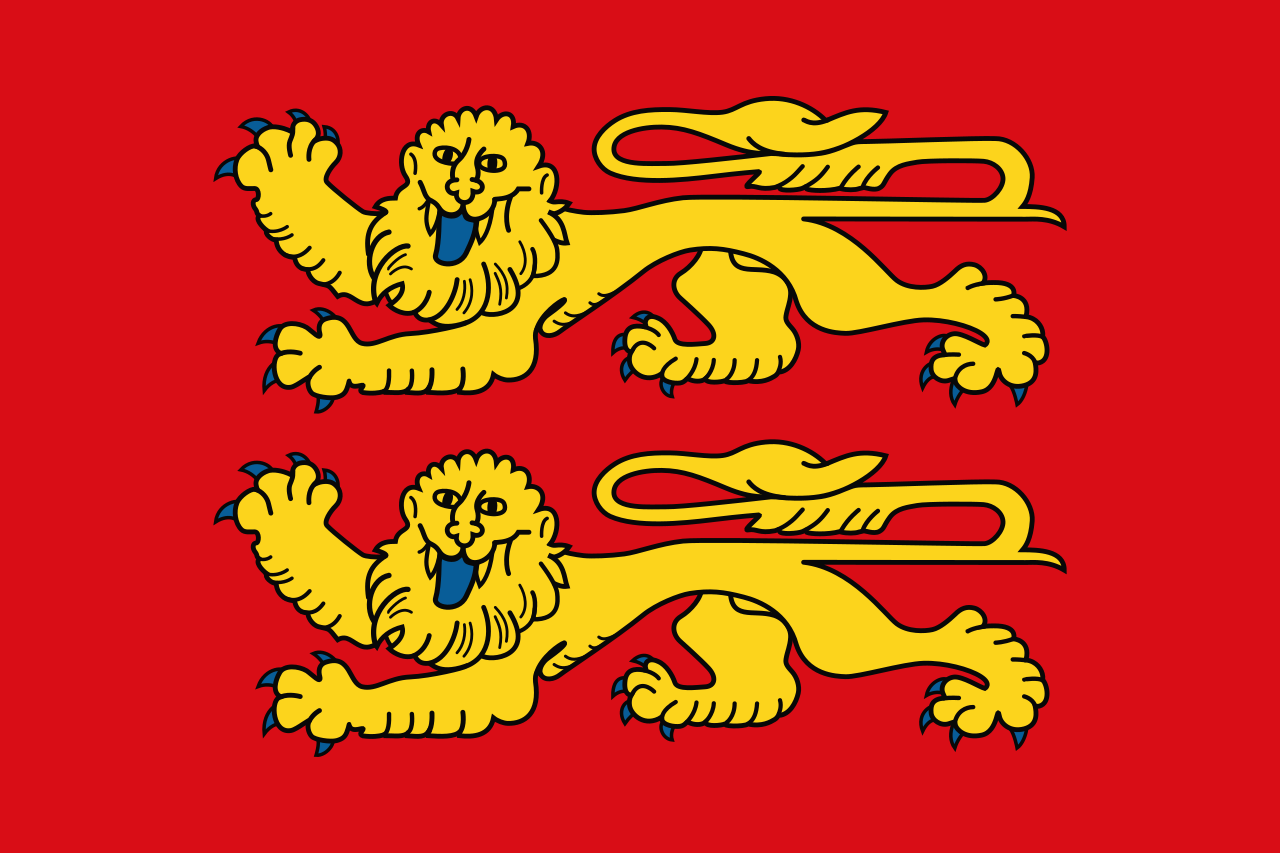
The badge is a golden lion passant gardant (walking forward, facec turned to viewer). This is identical to the flag of the Norman town of Bayeux. The colours are similar and so is the expression on the lion's face. As Bayeux was the first town to be liberated after the Normandy invasion, by Brigadier James Hargest, among others.
School Motto Origin
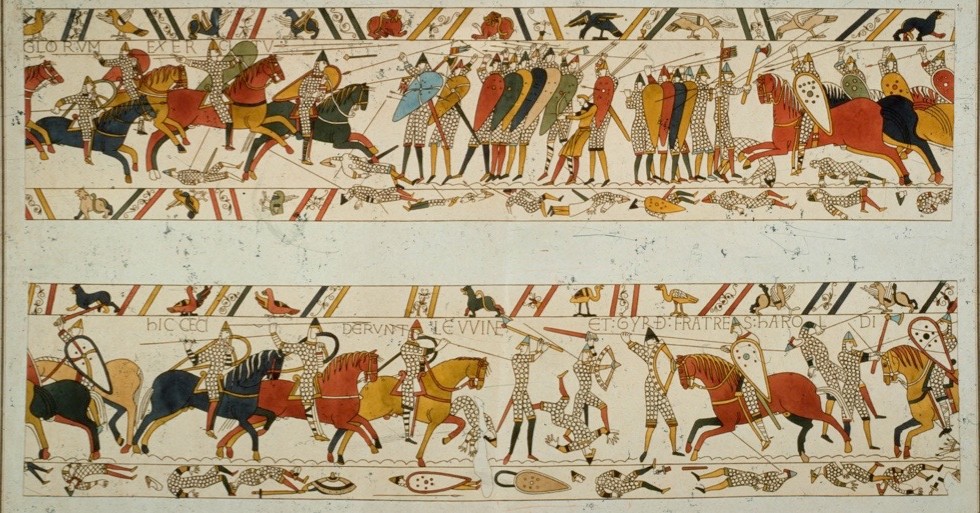
The motto is said to come from the Bayeux Tapestry. The Normandy village where James Hargest is buried is Bayeux. The Bayeux Tapestry is a remarkable historical artifact that depicts the events leading up to the Norman conquest of England in 1066. It is not directly associated with the phrase "keep faith," as the tapestry primarily tells the story of the Battle of Hastings and the events surrounding it. However, the phrase "keep faith" is a powerful and timeless message that resonates with the idea of remaining loyal, steadfast, and true to one's beliefs or commitments. We think the motto "Keep Faith" is a most appropriate motto for a school named after Brigadier James Hargest.
Construction & Governance Controversy
The Ministry of Works awarded the building contract to local firm R. Richardson Ltd in March 1957 using the single-storey wooden "Porirua design". Controversy arose over governance, but control was granted to the Southland High Schools' Board.
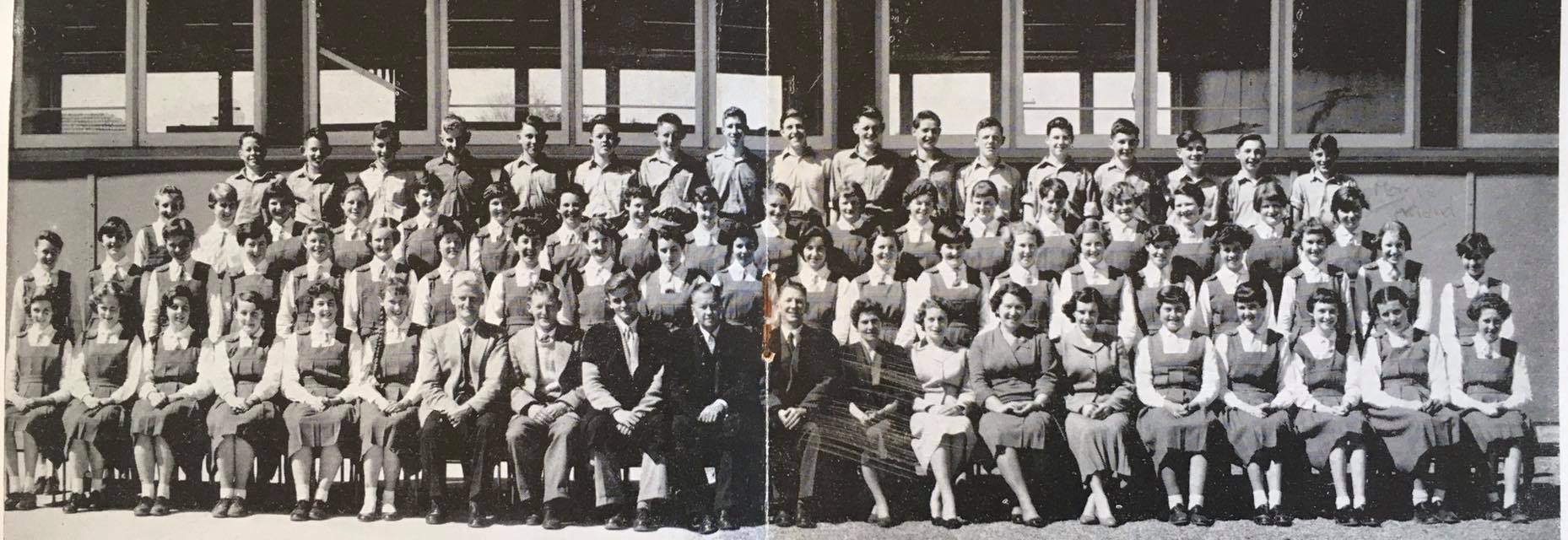
James Hargest School Opens
In 1958, on 4th February, the James Hargest College was established with an initial enrolment of 69 teenagers. The school opened with four full-time staff members conducting assemblies in the woodwork room. The first building, known as D block, was constructed in a farmland area with gravel roads. Nearby Wachner place featured a department store. The school curriculum encompassed practical home craft, commercial, and academic subjects.
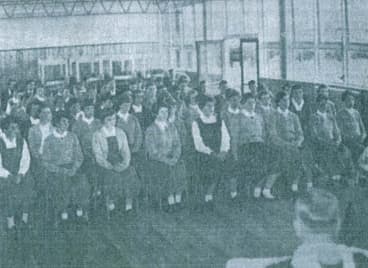
First Assembly
James Hargest High School has its first assembly. The guests include Mrs and Miss Hargest, the M.P. - Mr Hannan and the Deputy Mayor. The school opened with assemblies held in the woodwork room.
First Clubs Day
The Forerunner to Barrack's Week.
First Away Trip
First away trip for school sports' teams, a train jouney to Dunedin to play Kaikorai Valley High School.
Open day
120 people visit school.
Tennis courts completed
immediately in full use.

The Queen Mother visits JHC
On February 12, the Queen's mother visited JHC.
First Sport Win
On June 23, JHC achieved its first win in any sport, boys' indoor basketball.
First School Assembly
A photo capturing the foundation pupils seated in the temporary assembly hall (the Woodwork room in Block A, known as 'The Hen Houses') listening to inaugural addresses by Rector E. F. Rive, J. G. Chewings, N. L. Watson, and J. R. Hanan, M.P.
Opening Day
On February 4, 1958, James Hargest High School opened with 69 foundation pupils (68 girls and 13 boys enrolled during year 1) and four full-time teaching staff: Rector Ernest F. Rive, Deputy Principal Harold Partridge, Senior Mistress Elizabeth Kerse, and Archie Wilson.
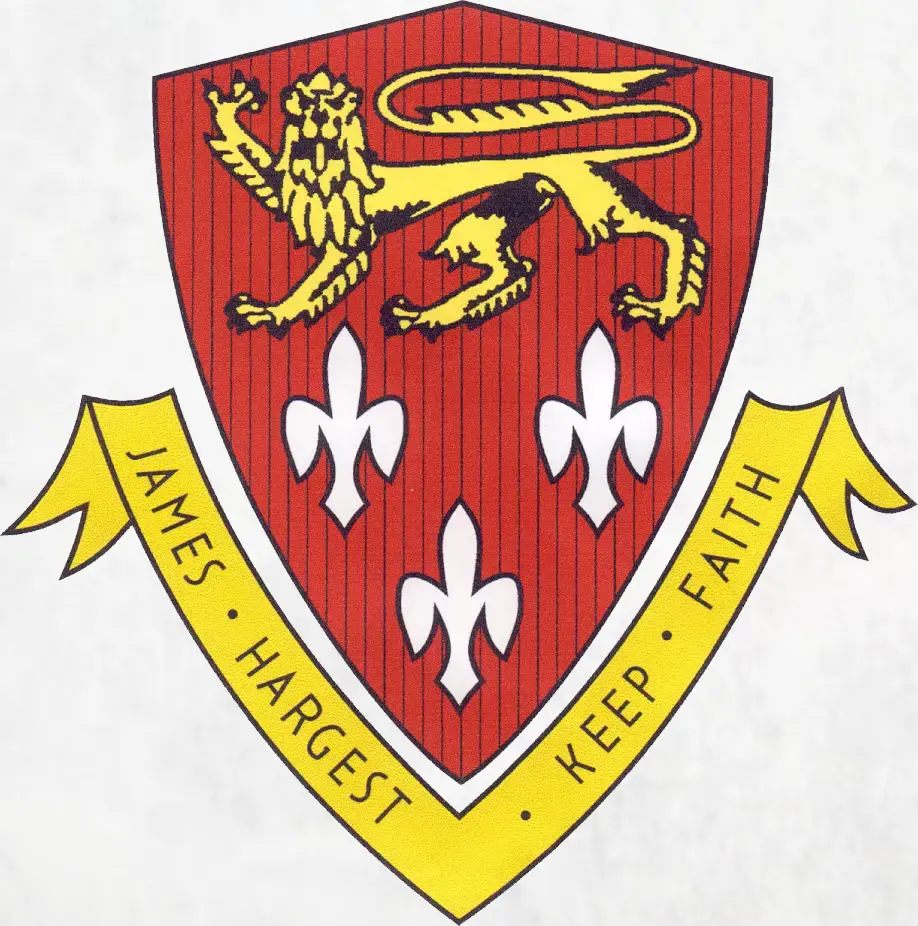
Motto and Crest
Rector Ern Rive selected the school motto "Keep Faith" to honor Brigadier Hargest's legacy. The badge features a golden lion and three fleurs-de-lys on a red background (matching the collar tabs of an Army Brigadier and the coat of arms of Bayeux, Normandy).
Early Facilities
The school opened without an administration block or hall; assemblies were held in the Woodwork Room. In 1959, the Assembly Hall, staffroom, and main administration areas were completed.
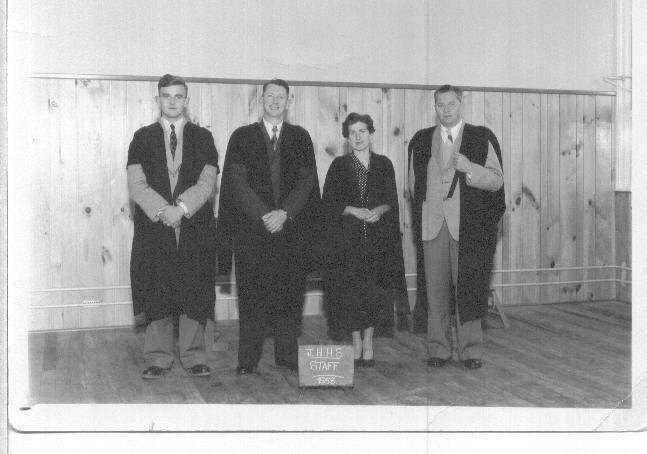
Staff of 1959
Archie Wilson, Ernie Rive (Principal), Elizabeth Kerse, Spike Partridge
Barrack's Week
First full cadet scheme. Boys only train in military activities while girls take part in alternative activities.
Canteen starts operating
.
School starts Art classes.
P.T.A Mannequin Parade
First public entertainment in the hall.
Polio vaccination
Polio vaccination for Hargest pupils.
Part of this story?
Join the Hargest alumni network to find your classmates, share your memories and hear about reunions.